

Diabetes mellitus remains one of the most common chronic diseases worldwide. According to international medical organizations, more than 500 million people are currently living with diabetes. Many patients face the daily need to monitor blood glucose levels, follow dietary recommendations, take medications, or use insulin. Against the backdrop of advances in regenerative medicine, increasing attention is being given to stem cell treatment for diabetes, which is being studied as a promising approach to supporting the body and improving the function of damaged tissues.
Why Diabetes Leads to Serious Complications
Diabetes affects much more than blood sugar levels. Over time, the disease can impact various organs and systems throughout the body.
The most common problems experienced by patients include:
- Damage to blood vessels.
- Deterioration of vision.
- Impaired kidney function.
- Reduced sensitivity in the extremities.
- Increased risk of cardiovascular diseases.
- Slow wound healing.
People with long-standing diabetes often face particularly significant challenges. Even with good glucose control, many patients experience a gradual decline in overall health, requiring ongoing medical supervision.
What Are Stem Cells and How Do They Work?
Stem cells are a special type of cell capable of transforming into various tissues within the body. This unique ability has made them one of the most extensively studied areas of modern medicine.
The main properties of stem cells include:
- The ability to self-renew.
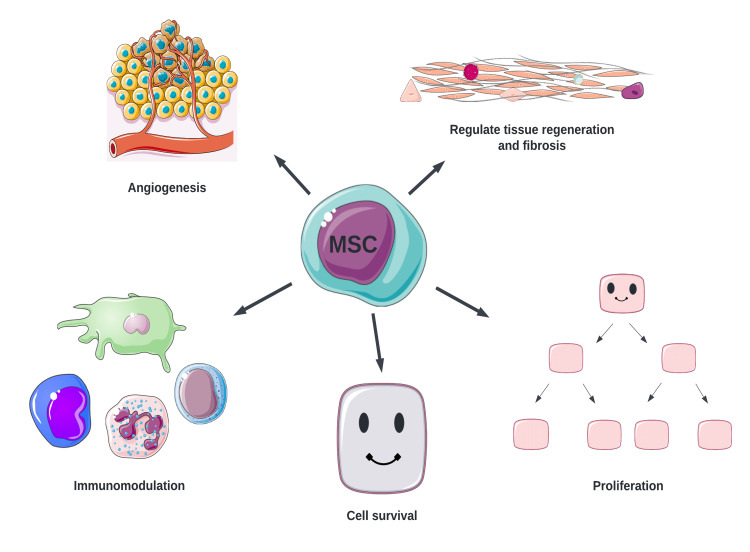
- Participation in repair processes.
- Support for tissue regeneration.
- Production of biologically active substances.
- Reduction of inflammatory processes.
Researchers believe that these cells may help create more favorable conditions for the restoration of damaged structures within the body. For this reason, they are being actively studied in various diseases, including diabetes.
How Stem Cells May Help in Diabetes
Scientists continue to investigate the effects of cell therapy in patients with both type 1 and type 2 diabetes. It is important to understand that the goal is not a complete cure of the disease but rather potential support for the body’s natural functions.
Among the possible beneficial effects being studied in clinical research are:
- Support of pancreatic cell function.
- Improvement of metabolic processes.
- Reduction of chronic inflammation.
- Enhanced blood microcirculation.
- Support for tissues damaged by elevated blood sugar levels.
Some studies suggest that after cell therapy, certain patients may experience improvements in glycemic control. However, outcomes can vary significantly depending on the type of diabetes, the patient’s age, and overall health condition.
What Advantages Are Being Considered by Specialists?
Interest in cell therapy is driven by the fact that traditional treatment methods primarily focus on disease management, while regenerative medicine seeks to influence tissue repair and recovery processes.
Specialists highlight several potential advantages:
- An individualized treatment approach.
- The possibility of comprehensive effects on the body.
- Support for natural recovery mechanisms.
- Potential improvement in patients’ quality of life.
- Prospects for further technological development.
For many individuals, an important consideration is the possibility of reducing the severity of certain diabetes-related complications and improving overall well-being.
What Should Be Considered Before Choosing Cell Therapy?
Every patient should understand that diabetes management requires a comprehensive approach. Before considering advanced treatment options, it is essential to undergo a thorough evaluation and receive professional medical advice.
The following factors should be carefully considered:
- The clinic’s licenses and regulatory approvals.
- The qualifications of the medical team.
- The availability of published research results.
- A realistic assessment of expected outcomes.
- Individual contraindications.
Unfortunately, there are still organizations that claim to offer a complete cure for diabetes. Such promises should be approached with extreme caution, as there is currently no universal method capable of completely eliminating the disease.
Stem cells are opening new opportunities for the study of diabetes and the development of innovative treatment approaches. Modern research suggests that cell therapy may positively influence the body’s repair processes and help improve certain health indicators in patients living with diabetes.